Explore our advanced infrastructure and modern amenities.
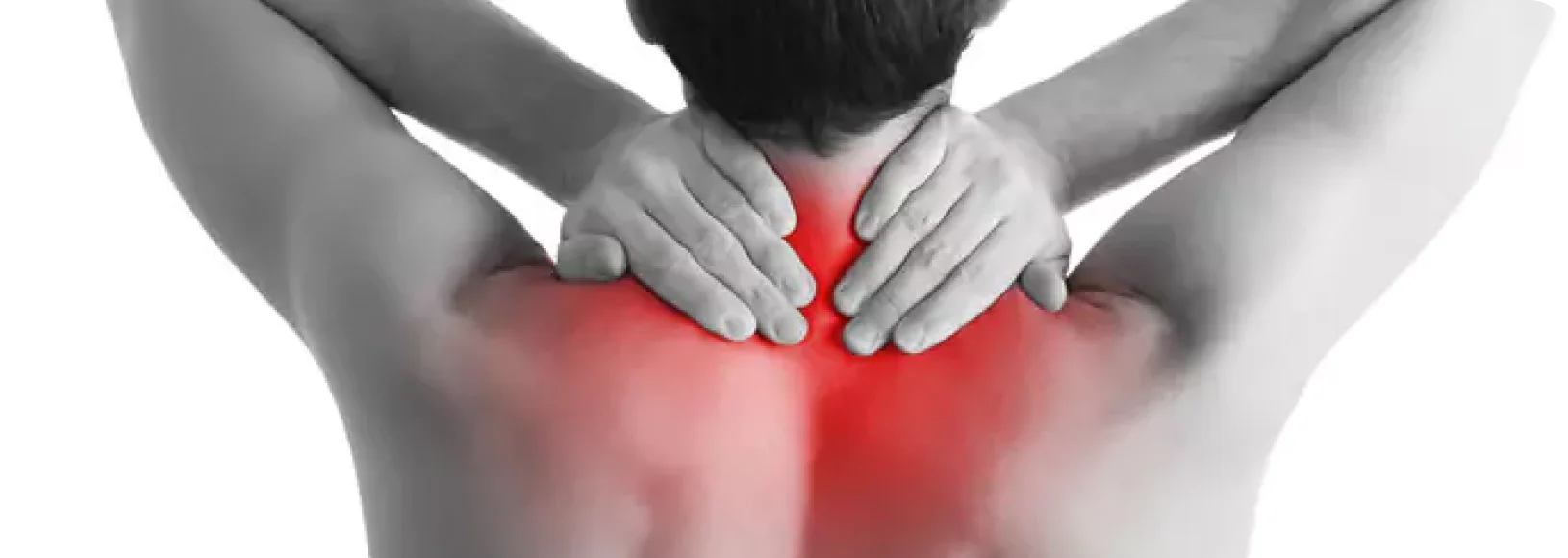
Cervical problems, commonly affecting the neck region, can cause pain, stiffness, and limited movement. They often result from poor posture, muscle strain, or underlying conditions like cervical spondylosis or disc issues. Early assessment and targeted physiotherapy can relieve pain, improve mobility, and prevent further complications, helping you maintain a healthy, active lifestyle.
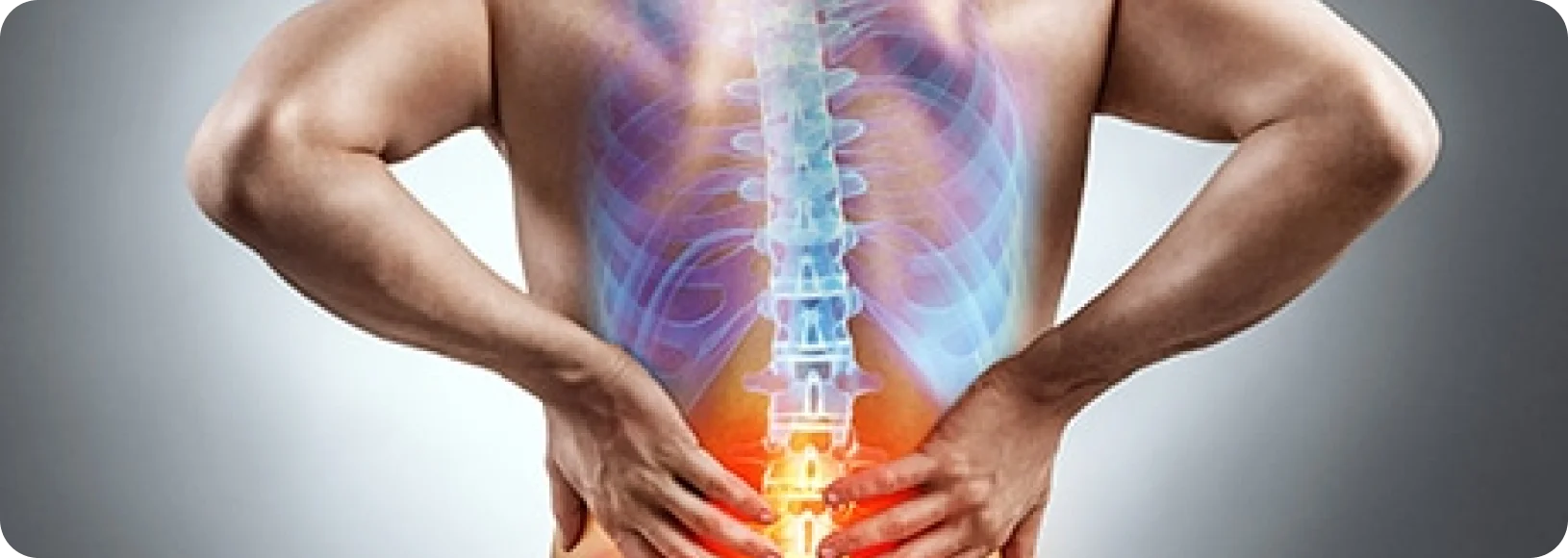
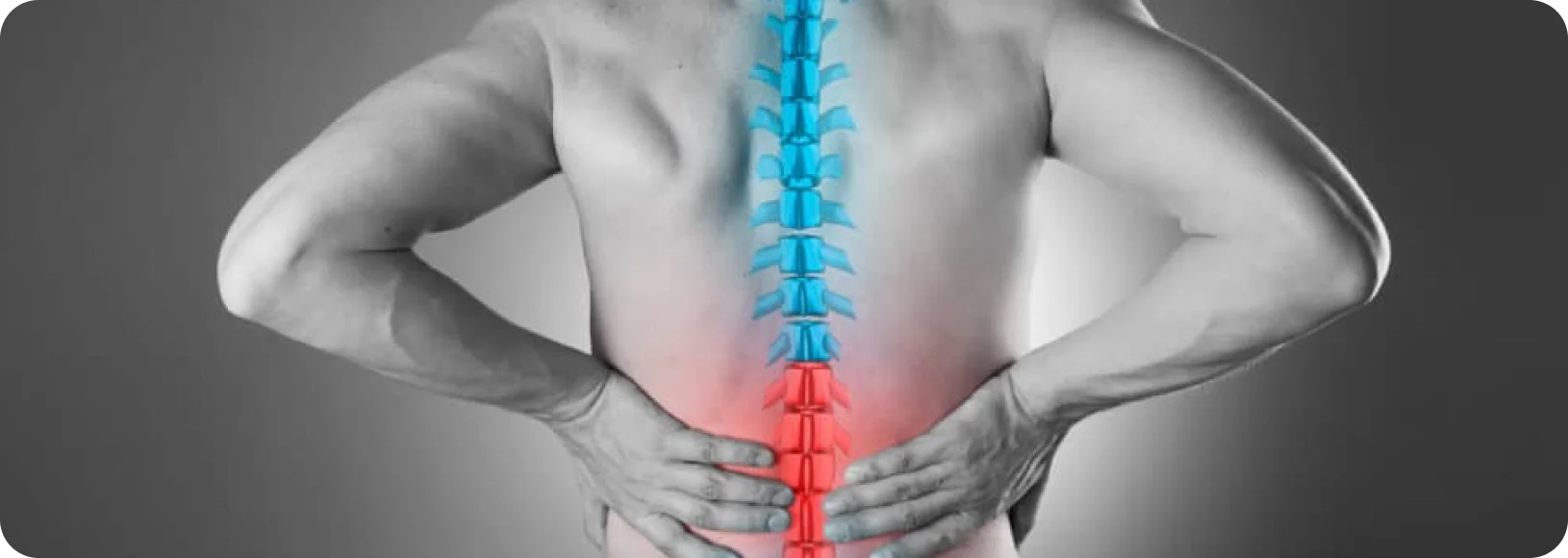
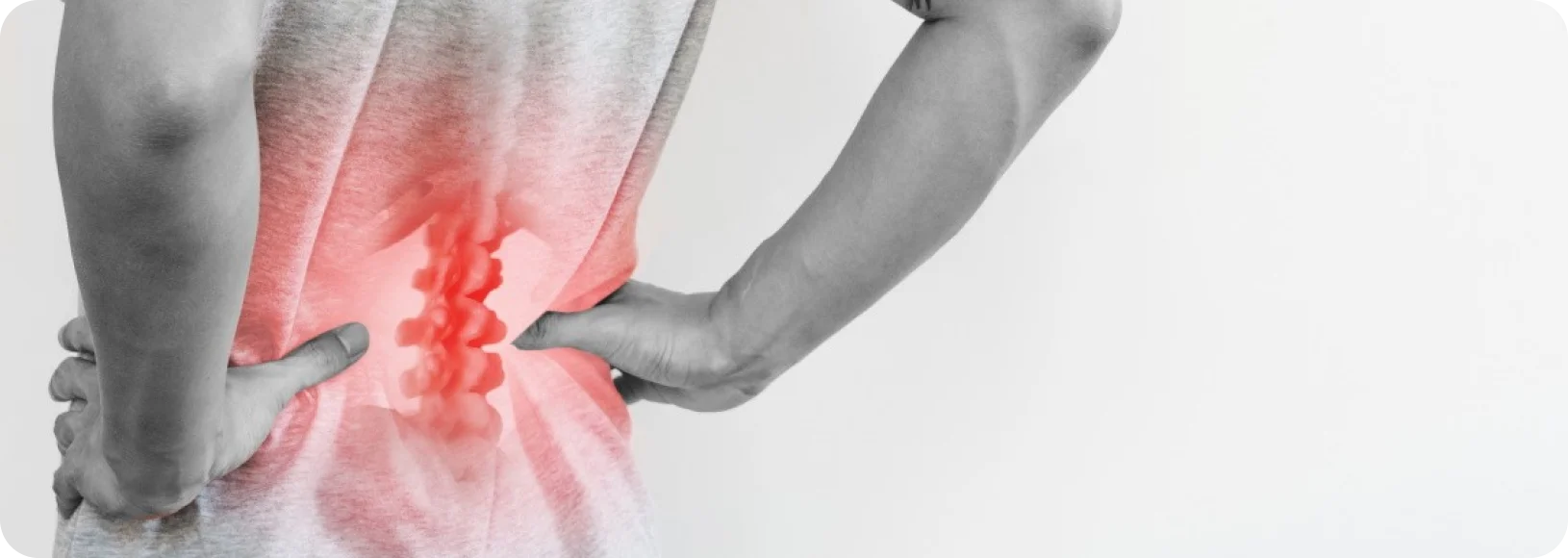
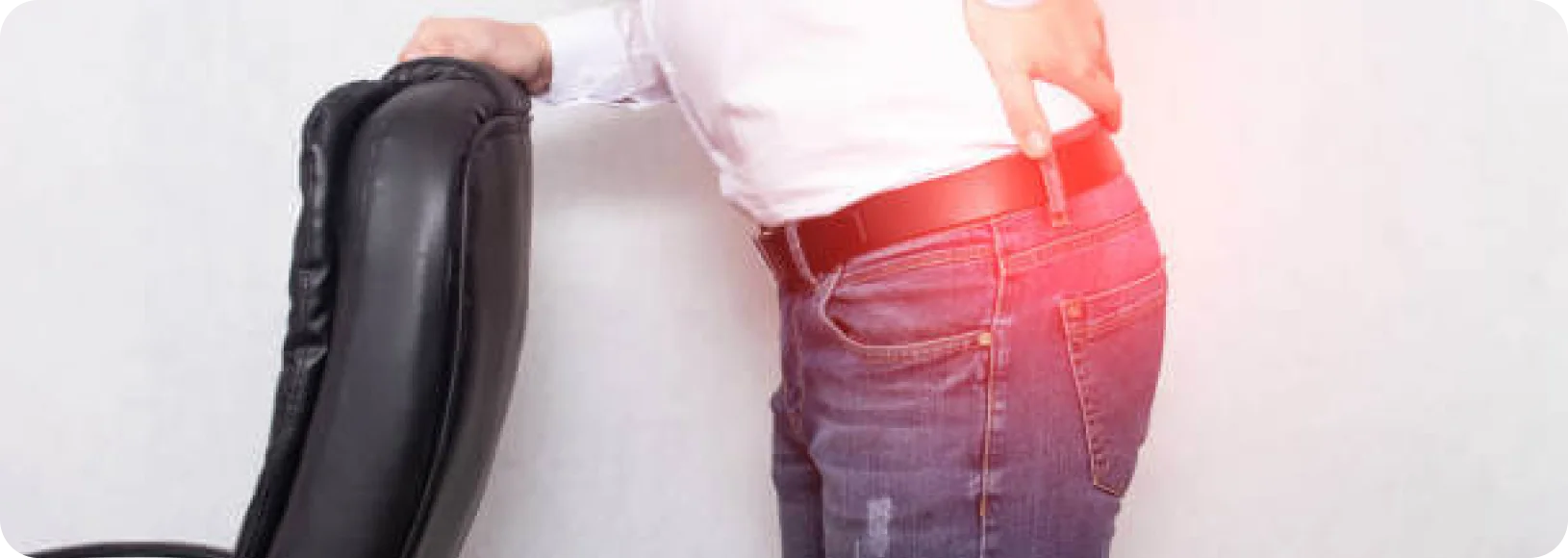
Back pain is one of the most common musculoskeletal issues, often caused by muscle strain, poor posture, prolonged sitting, or spinal conditions like disc bulge or arthritis. It can lead to stiffness, reduced mobility, and discomfort during daily activities. With proper assessment, targeted exercises, and physiotherapy treatment, back pain can be effectively reduced, restoring strength, flexibility, and long-term comfort.
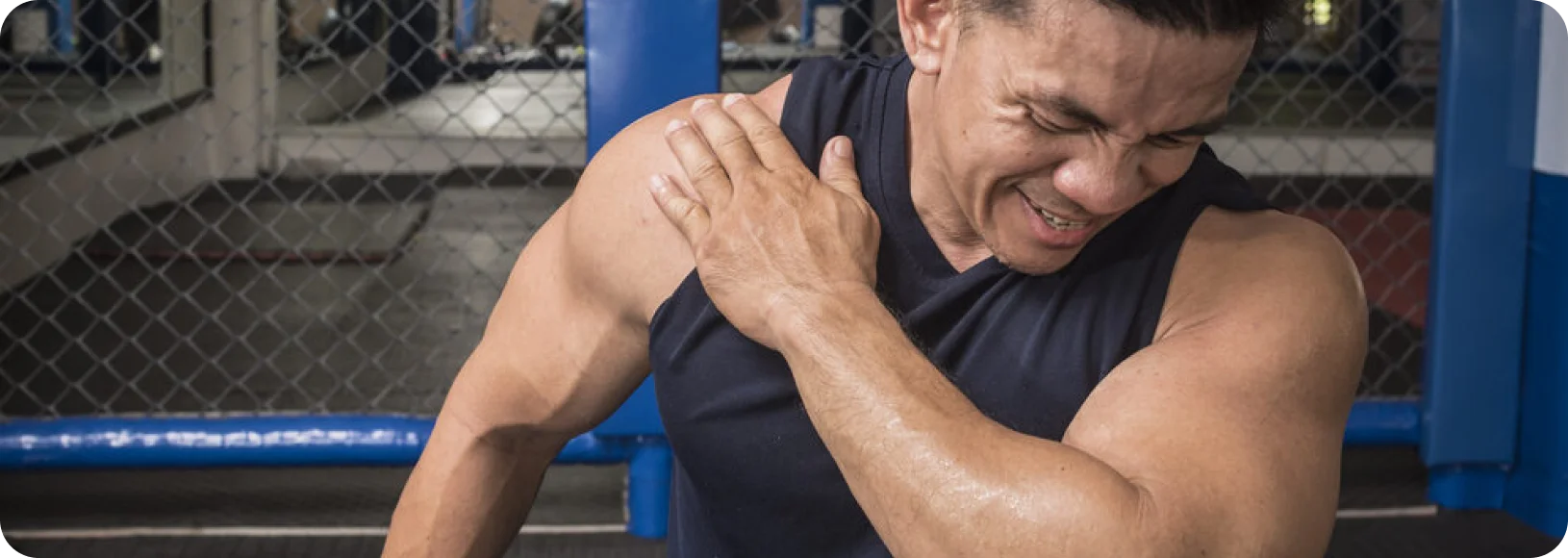
Shoulder pain can limit your ability to lift, reach, or perform daily tasks, often resulting from muscle strain, rotator cuff issues, poor posture, or frozen shoulder. It may cause stiffness, weakness, and discomfort during movement. With proper physiotherapy, including mobility exercises, strengthening, and posture correction, shoulder pain can be effectively managed, helping you regain smooth, pain-free motion.
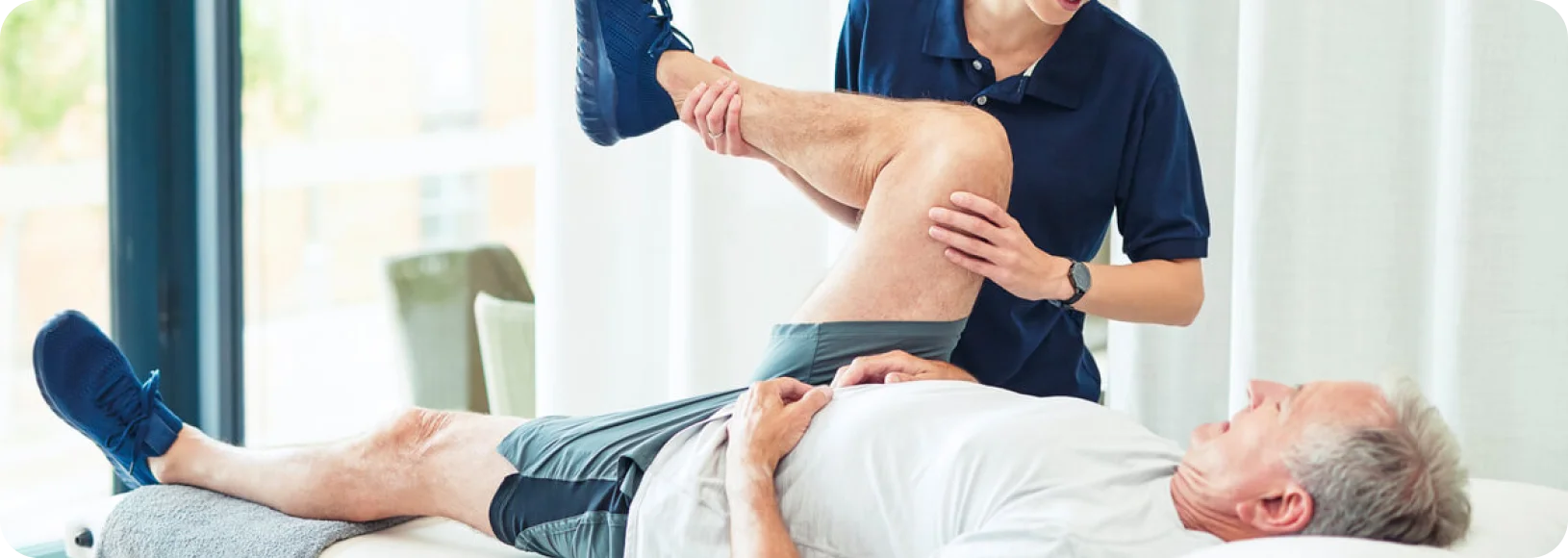
Knee pain is a common complaint caused by conditions like osteoarthritis, ligament strain, muscle imbalance, or overuse. It can lead to difficulty in walking, climbing stairs, or performing daily activities. Physiotherapy plays a key role in reducing pain, improving joint mobility, and strengthening the surrounding muscles to support the knee. With the right treatment, you can regain stability, function, and long-term comfort.
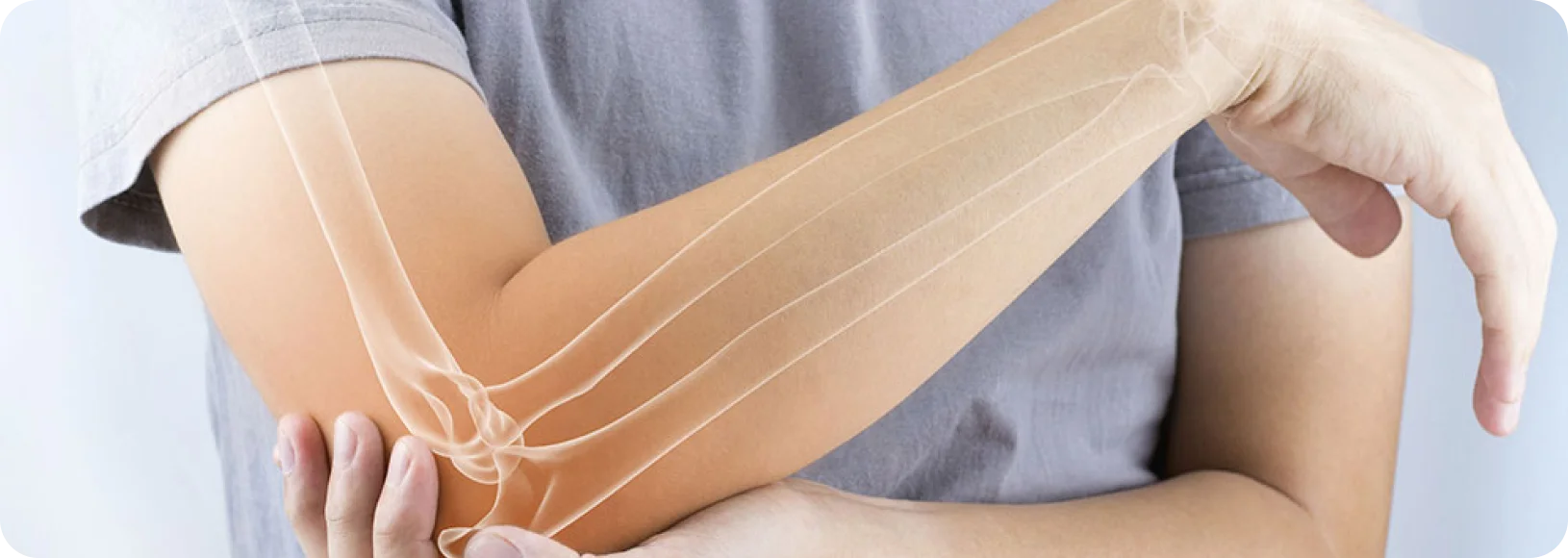
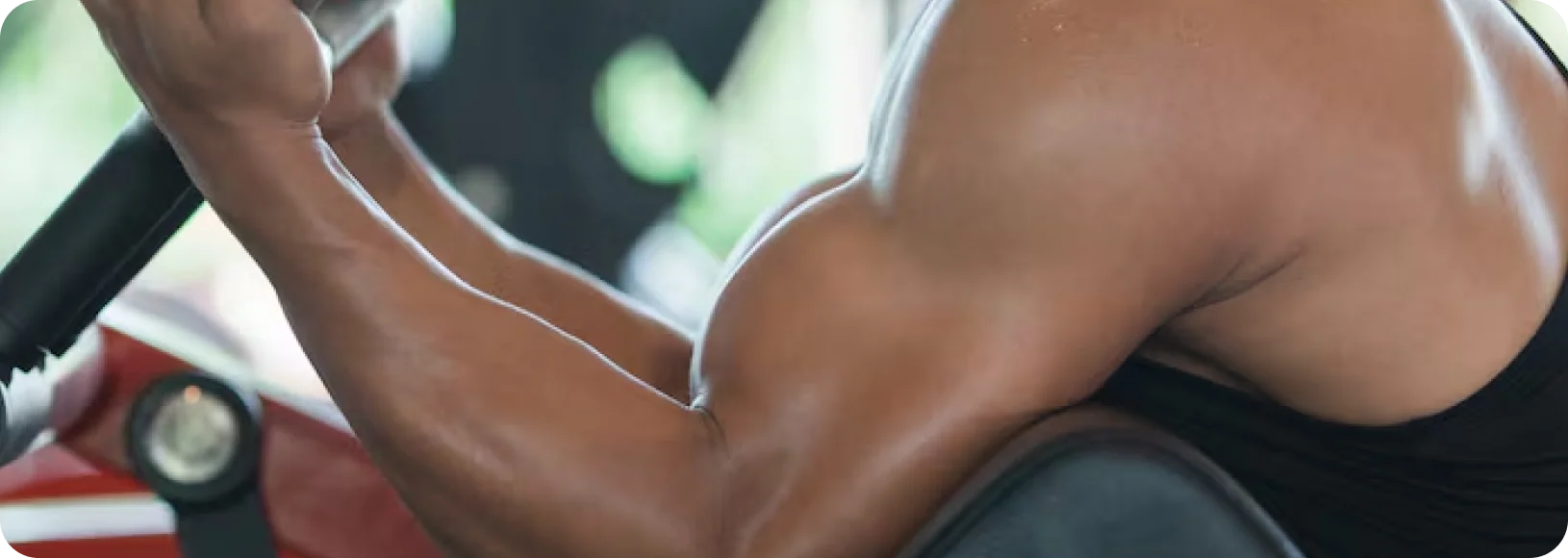
Elbow pain often develops due to overuse, repetitive movements, or conditions like tennis elbow, golfer’s elbow, or joint inflammation. It can cause discomfort during gripping, lifting, or bending the arm, affecting day-to-day activities. With proper physiotherapy, including targeted exercises, soft-tissue techniques, and strengthening, elbow pain can be effectively relieved, restoring mobility and improving arm function.
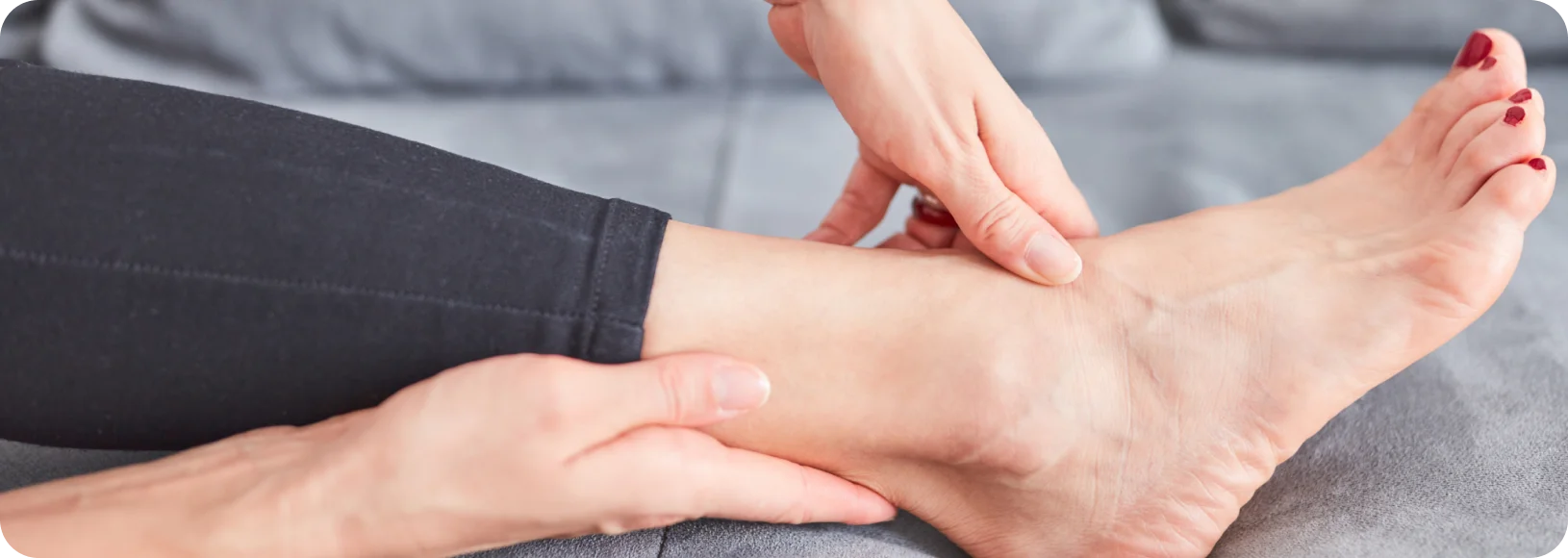
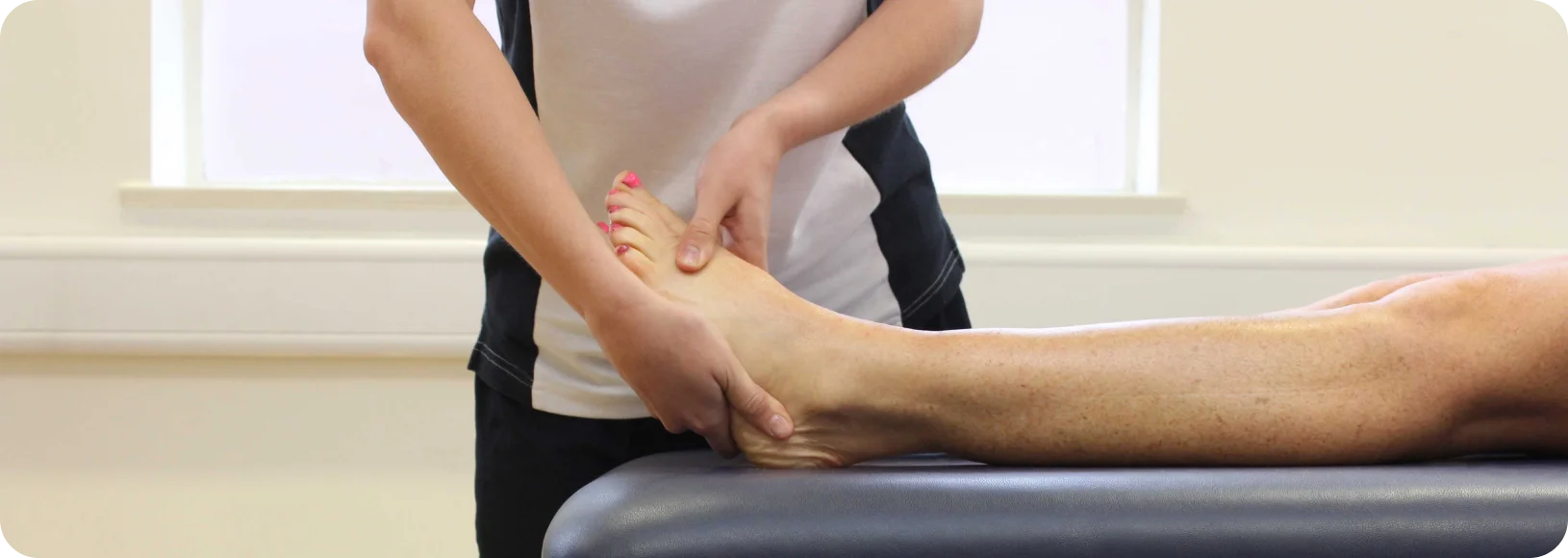
Ankle or foot pain can arise from sprains, ligament injuries, plantar fasciitis, flat feet, or overuse. It may lead to swelling, stiffness, difficulty walking, and reduced balance. Physiotherapy helps by improving mobility, strengthening supporting muscles, correcting foot alignment, and promoting proper movement patterns. With the right treatment, ankle and foot pain can be reduced, allowing you to walk comfortably and confidently again.
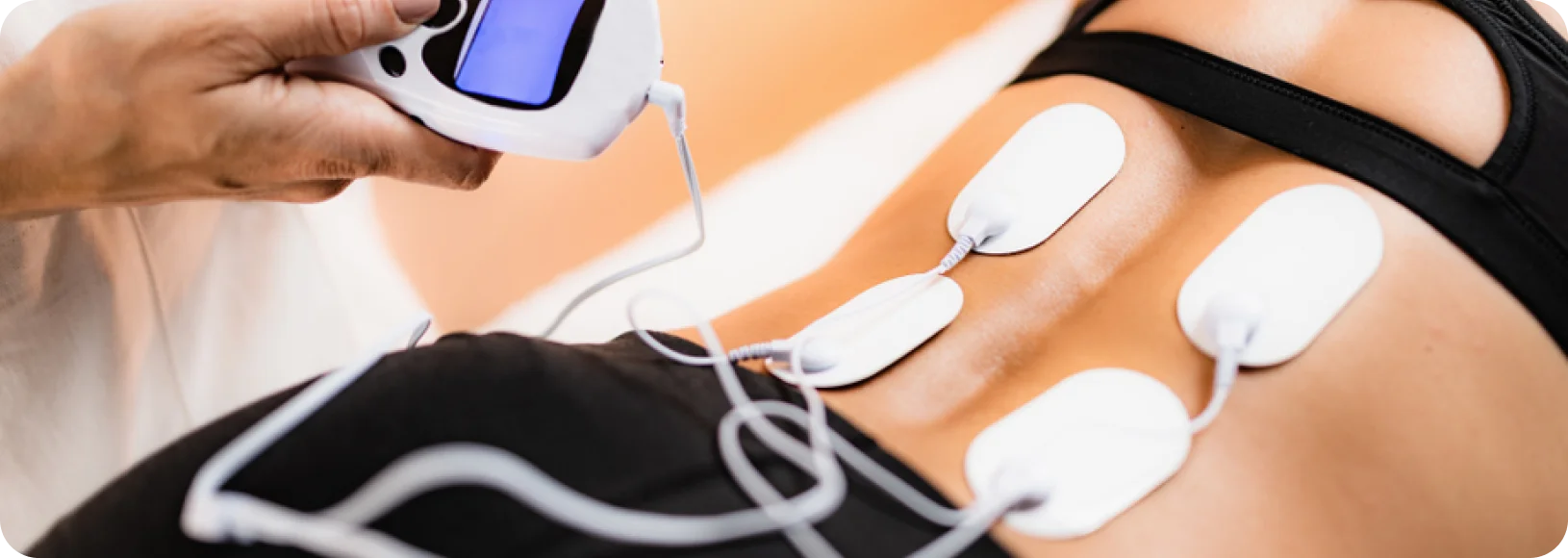
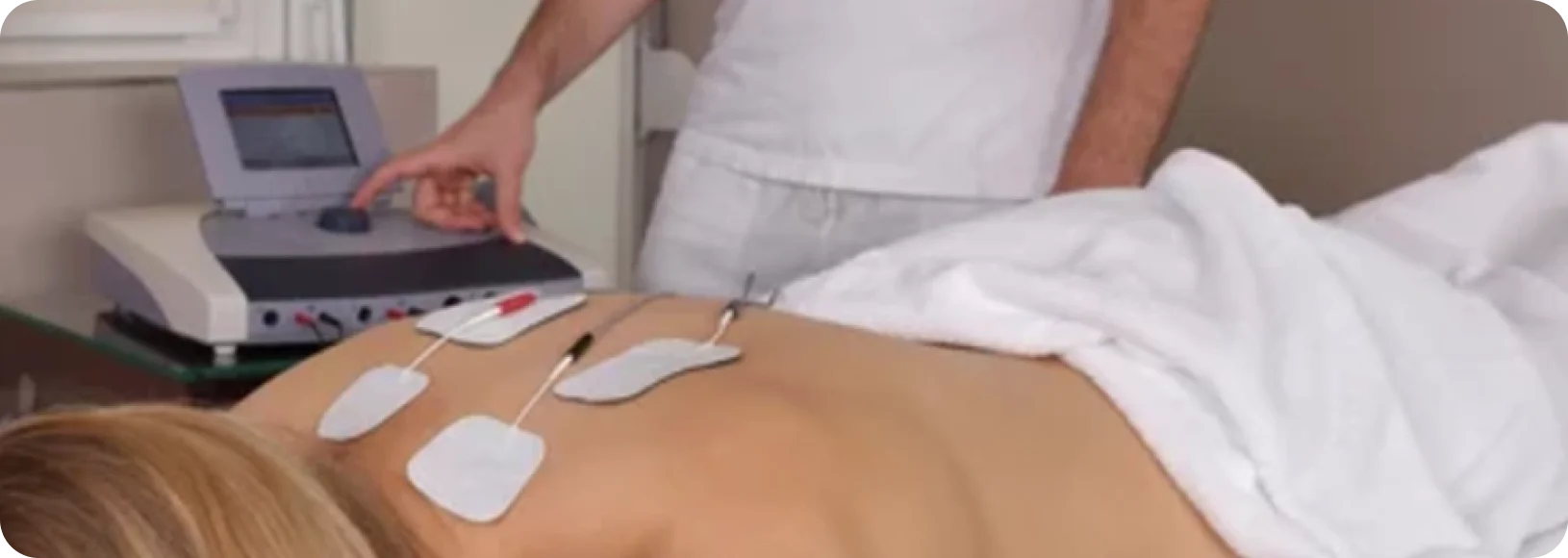
Transcutaneous Electrical Nerve Stimulation (TENS) is a safe, non-invasive therapy that uses mild electrical currents delivered through skin-placed electrodes to help reduce pain. It works by blocking pain signals, relaxing muscles, and stimulating the release of natural pain-relieving chemicals. TENS is commonly used for back pain, neck pain, joint pain, nerve pain, and post-injury discomfort. It provides quick relief, is easy to use, and helps support long-term pain management when combined with physiotherapy.
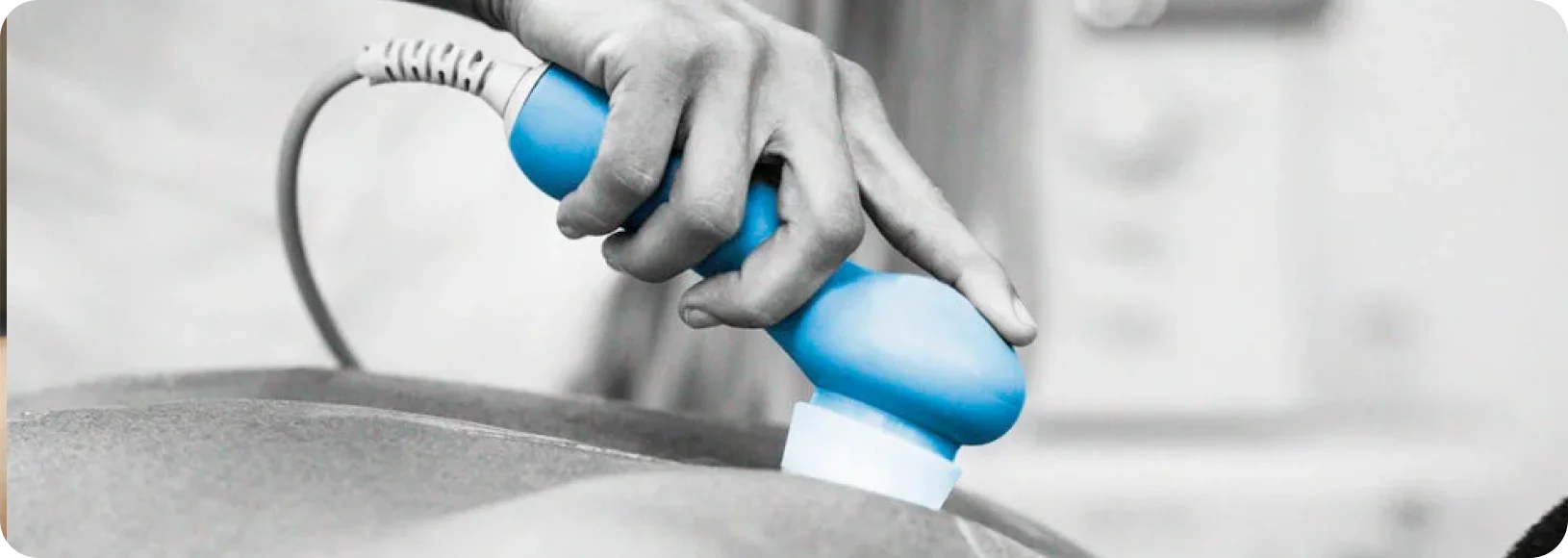
Ultrasonic therapy is a widely used physiotherapy treatment that delivers sound waves deep into the tissues to promote healing. It helps reduce pain, decrease inflammation, and improve blood circulation in the affected area. This therapy is effective for muscle strains, ligament injuries, tendonitis, and chronic pain conditions. By enhancing tissue repair and reducing stiffness, ultrasonic therapy supports faster recovery and improved mobility.
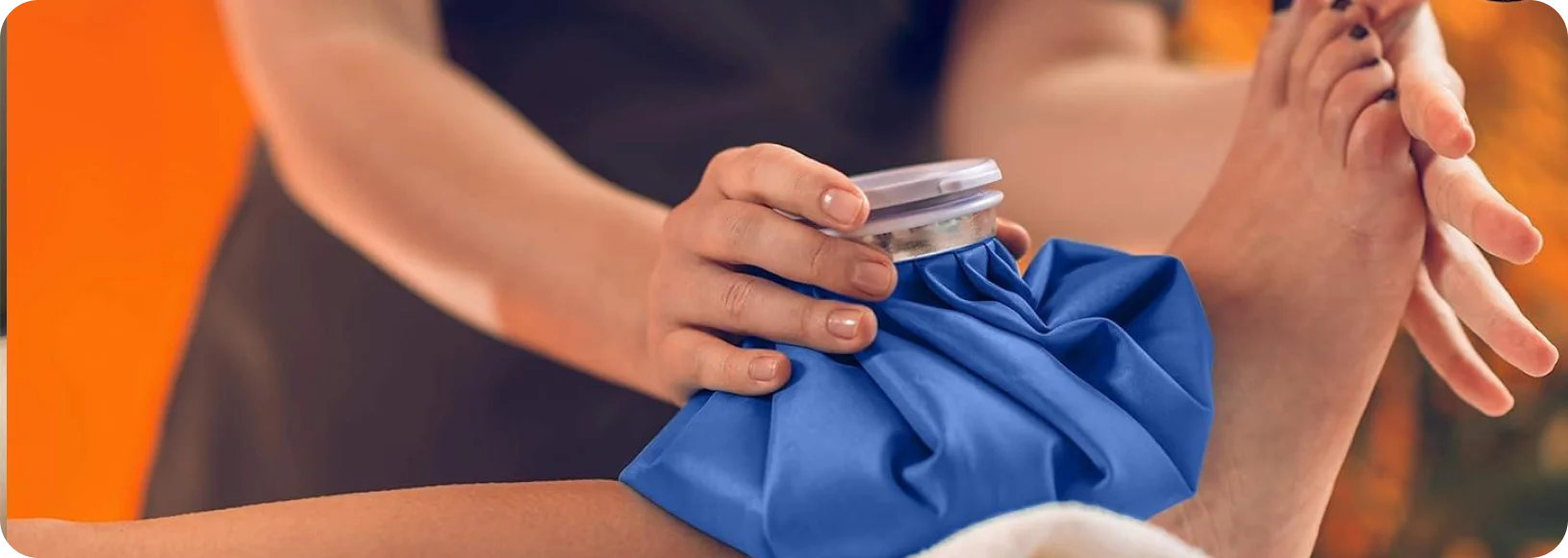
Hot and cold pack therapy is a simple yet effective method to manage pain, swelling, and muscle stiffness. Cold packs help reduce inflammation, numb sharp pain, and control swelling after an injury. Hot packs relax tight muscles, increase blood flow, and ease chronic pain or stiffness. When used correctly—either separately or in combination—hot and cold therapy supports faster healing and provides natural, soothing pain relief.
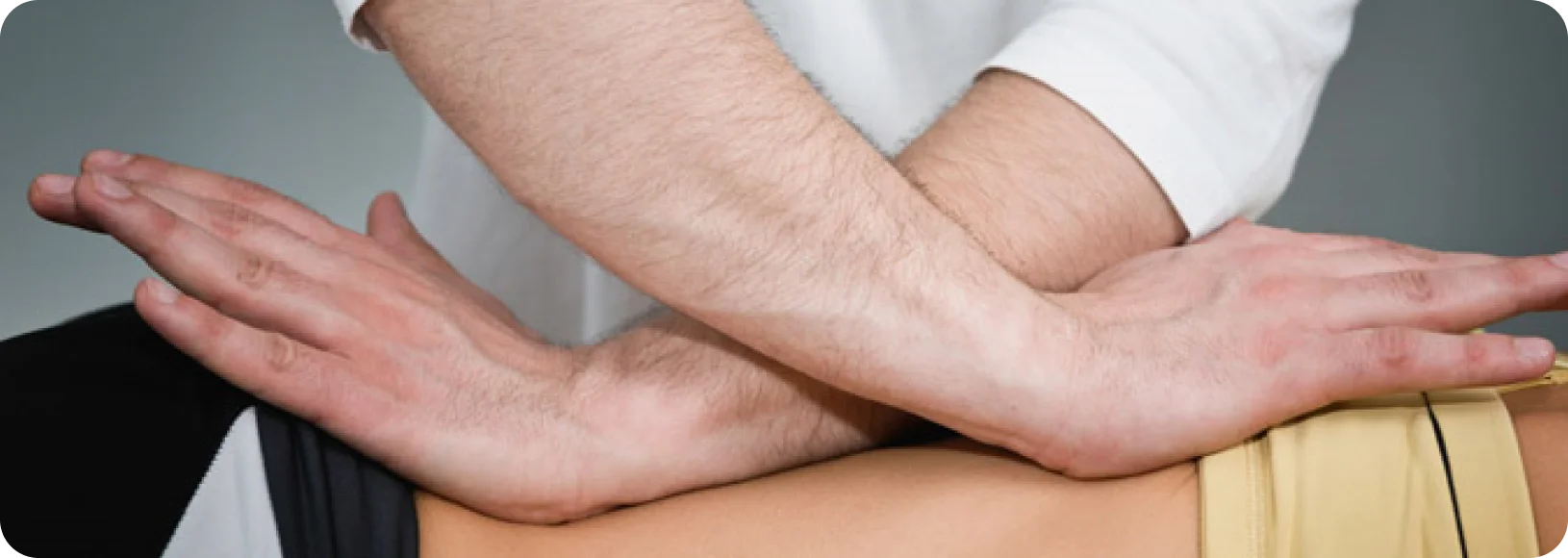
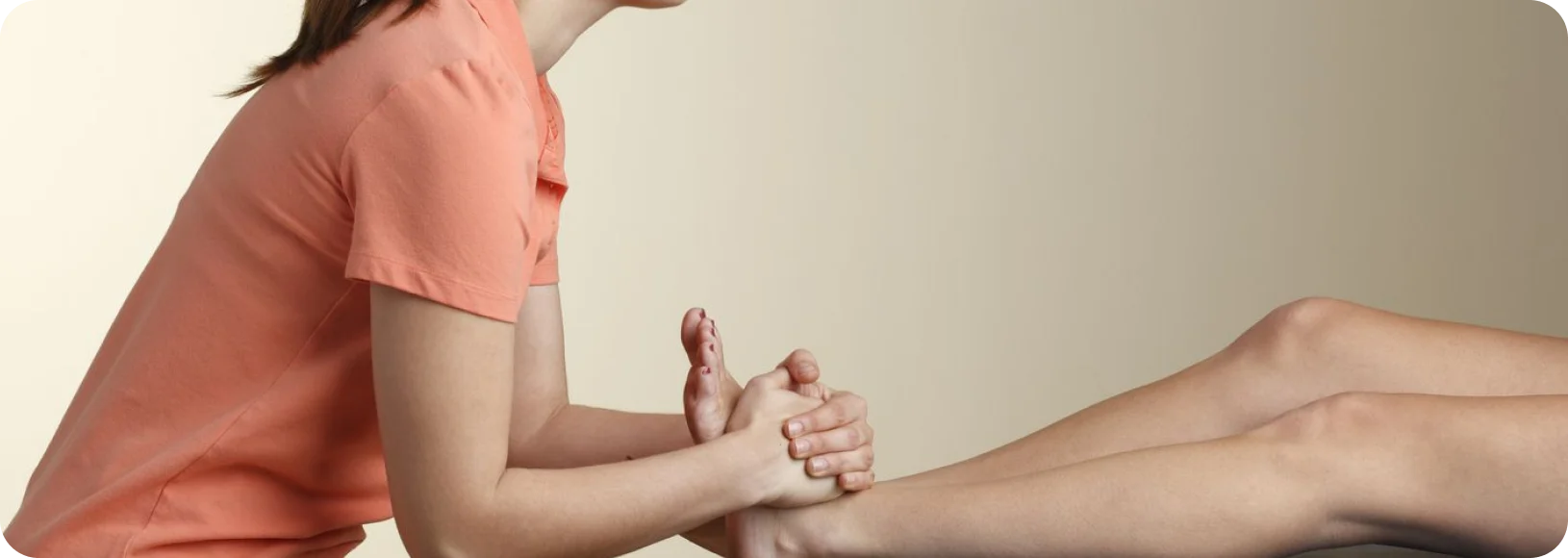
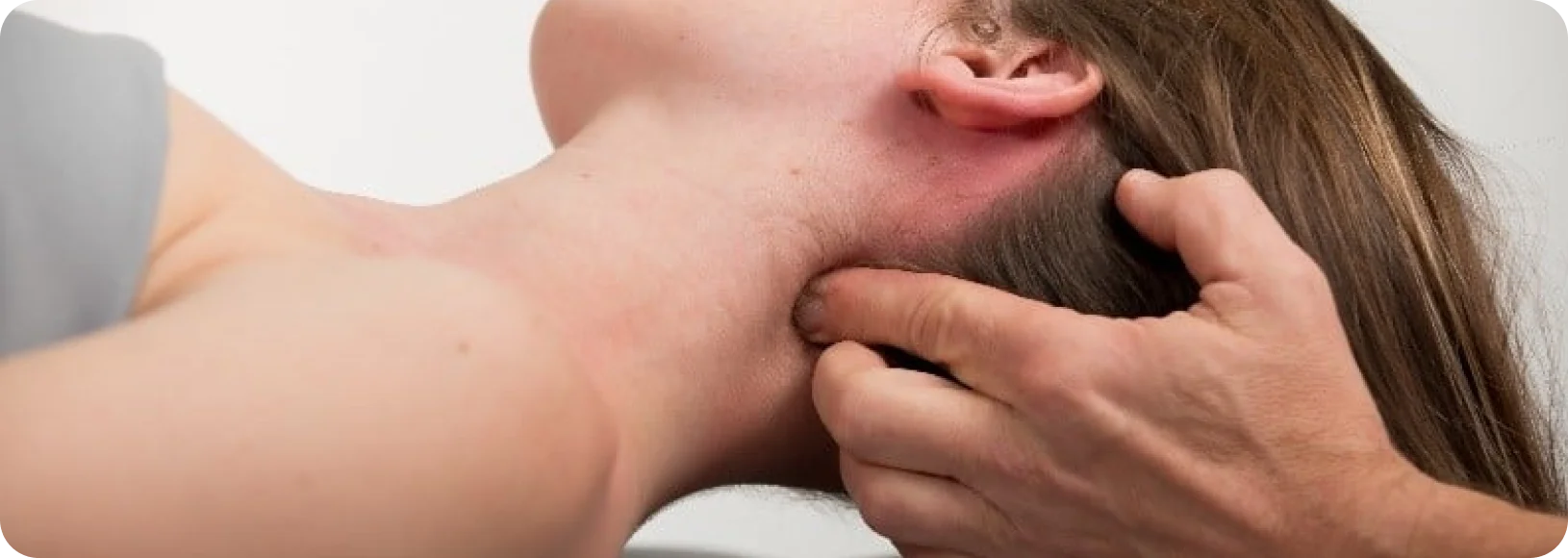
Myofascial Release (MFR) is a hands-on physiotherapy technique used to relieve tightness, stiffness, and pain by gently stretching and releasing the fascia—the soft tissue that surrounds your muscles. When the fascia becomes tight due to stress, injury, or poor posture, it can restrict movement and cause discomfort. MFR helps improve flexibility, restore natural movement, reduce muscle tension, and enhance overall mobility, making it an effective treatment for chronic pain, postural issues, and muscle tightness.
Stretching techniques are essential for improving flexibility, reducing muscle tightness, and enhancing overall mobility. They help lengthen tight muscles, increase joint range of motion, and promote better posture. Regular stretching also reduces the risk of injury, improves circulation, and helps relieve stress and body stiffness. Whether done as part of warm-up, cool-down, or rehabilitation, proper stretching supports smoother, pain-free movement and better physical performance.
Joint mobilization and manipulation are specialized hands-on techniques used to restore normal joint movement and reduce pain. Mobilization uses gentle, controlled movements to ease stiffness, while manipulation involves a quick, precise motion to improve alignment and mobility. Together, they help relieve discomfort, enhance flexibility, and support faster recovery from joint restrictions and musculoskeletal issues.
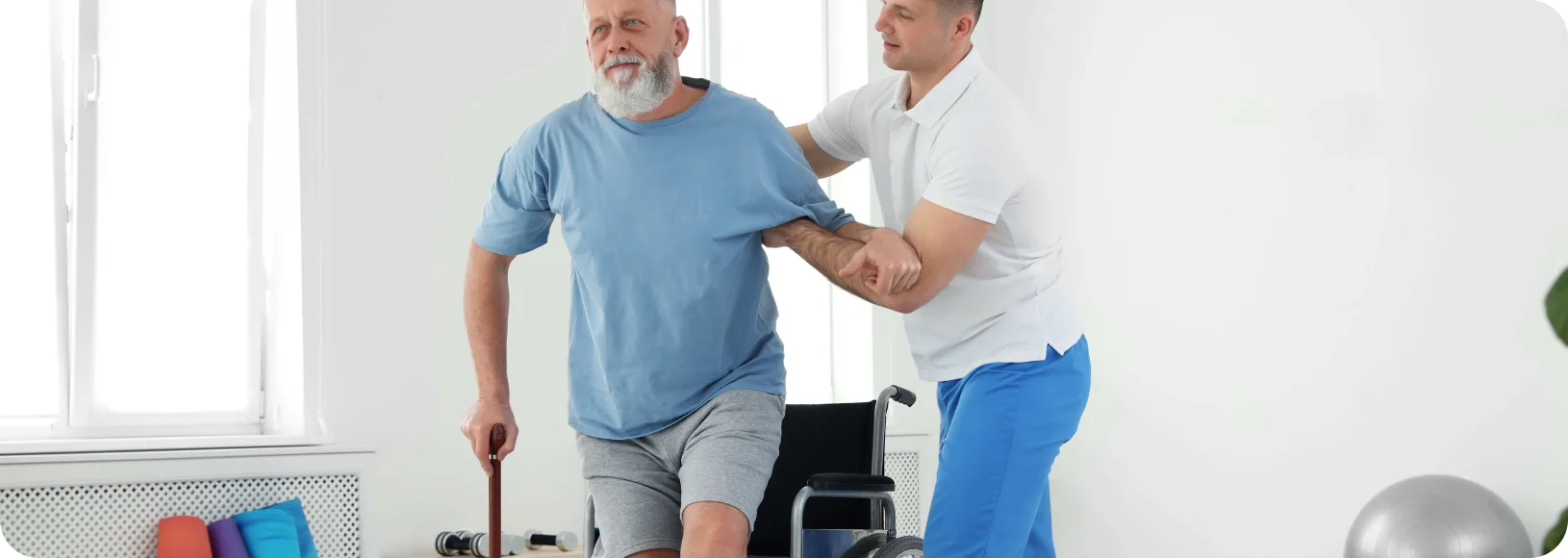
Stroke rehabilitation focuses on helping patients regain strength, movement, and independence after a stroke. Through targeted exercises, balance training, muscle re-education, and functional activities, it supports the recovery of mobility, coordination, and daily living skills. With consistent therapy and personalized care, stroke rehabilitation improves confidence, enhances brain re-learning, and promotes a better quality of life.
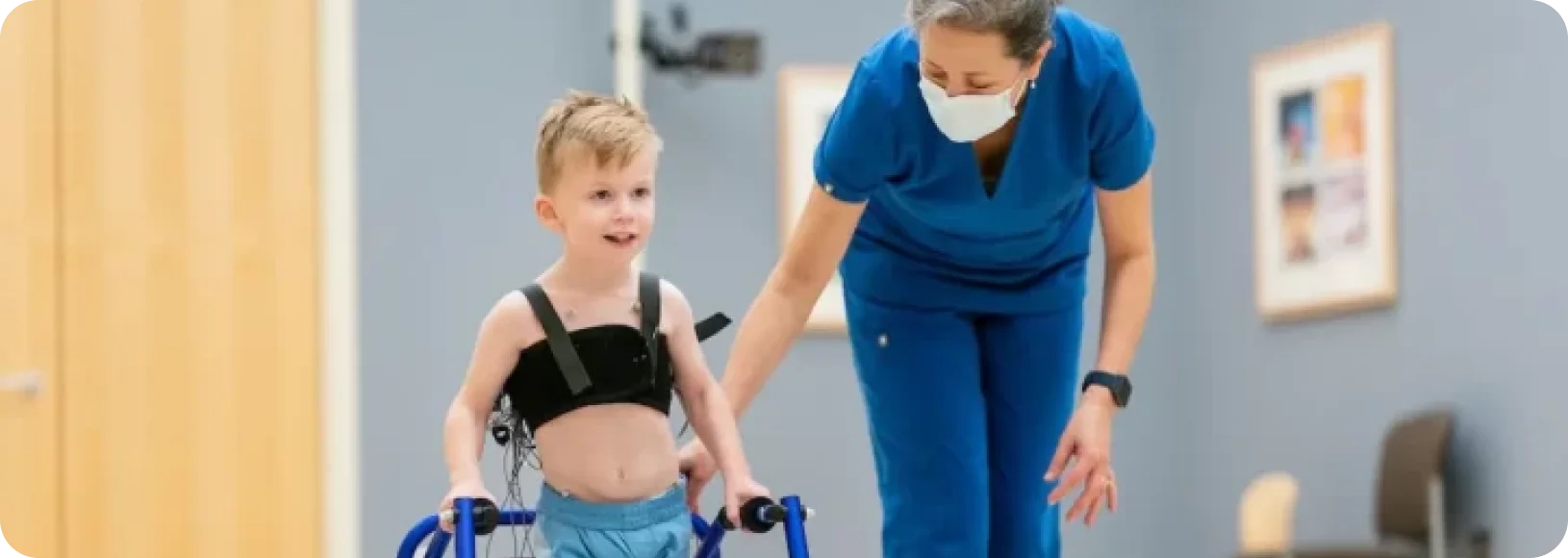
Cerebral palsy (CP) is a neurological condition that affects movement, muscle tone, and coordination, often from birth or early childhood. Physiotherapy plays a vital role in managing CP by improving muscle strength, flexibility, balance, and functional abilities. Through tailored exercises, stretching, and movement training, therapy helps children achieve better mobility, independence, and overall quality of life.
Guillain-Barré Syndrome (GBS) is a rare neurological disorder where the body’s immune system attacks the nerves, leading to weakness, numbness, or paralysis. Physiotherapy is crucial in GBS recovery, focusing on gentle exercises, strength restoration, and functional training to regain mobility and prevent complications. With consistent rehabilitation, patients can improve muscle function, coordination, and overall independence.
Spinal cord injury (SCI) can result in partial or complete loss of movement and sensation below the site of injury. Physiotherapy plays a crucial role in SCI rehabilitation by improving strength, mobility, and functional independence. Through targeted exercises, positioning, and assistive techniques, therapy helps prevent complications, maintain joint flexibility, and enhance quality of life, supporting patients to regain as much function and independence as possible.
Parkinson’s disease is a progressive neurological disorder that affects movement, balance, and coordination. Physiotherapy helps manage symptoms by improving flexibility, muscle strength, posture, and gait. Through targeted exercises, balance training, and functional activities, therapy can reduce stiffness, enhance mobility, and support daily independence, helping patients maintain a better quality of life.
Muscle strengthening involves targeted exercises designed to build muscle power, endurance, and stability. It helps improve posture, joint support, and overall physical performance while reducing the risk of injury. Regular strengthening exercises also aid in pain relief, enhance mobility, and support recovery from injuries or chronic conditions, promoting a stronger, more functional body.
Post-surgical rehabilitation is a physiotherapy program designed to help patients recover safely and effectively after surgery. It focuses on reducing pain and swelling, restoring movement, rebuilding strength, and improving overall function. With guided exercises, gradual activity progression, and personalized care, post-surgical rehabilitation supports faster healing, prevents complications, and helps patients return to their daily activities with confidence.
Physiotherapy-based vestibular rehabilitation to reduce dizziness, imbalance, and spinning sensations.
Non-surgical management for disc-related pain, sciatica, and nerve compression with targeted exercises and neural mobilization.
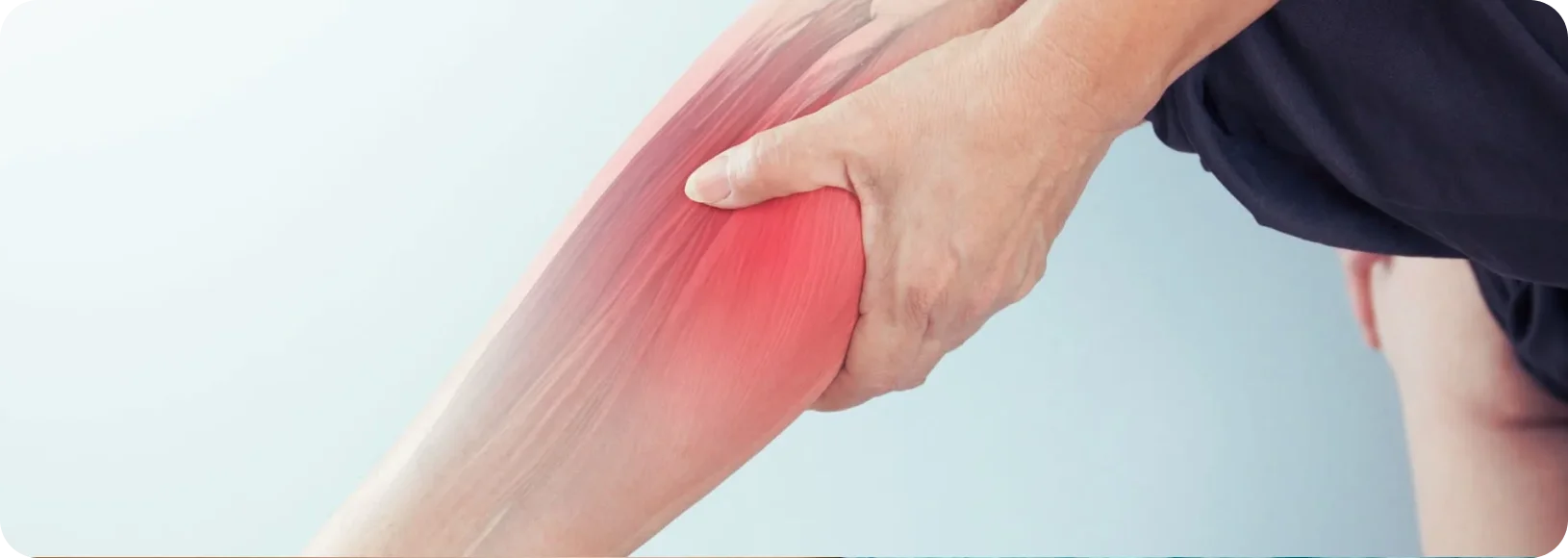
Treatment for muscle injuries caused by overuse, sudden movement, or trauma with rest, electrotherapy, and soft tissue techniques.
Relief from radiating leg pain caused by nerve irritation using stretching, neural glides, and core stabilization.
Customized programs to correct poor posture, reduce muscle imbalance, and improve spinal alignment.
Phase-wise treatment focusing on pain relief, mobility restoration, and strengthening for better shoulder function.
Rehabilitation for shoulder muscle tear, strain, or inflammation with strengthening and manual therapy.
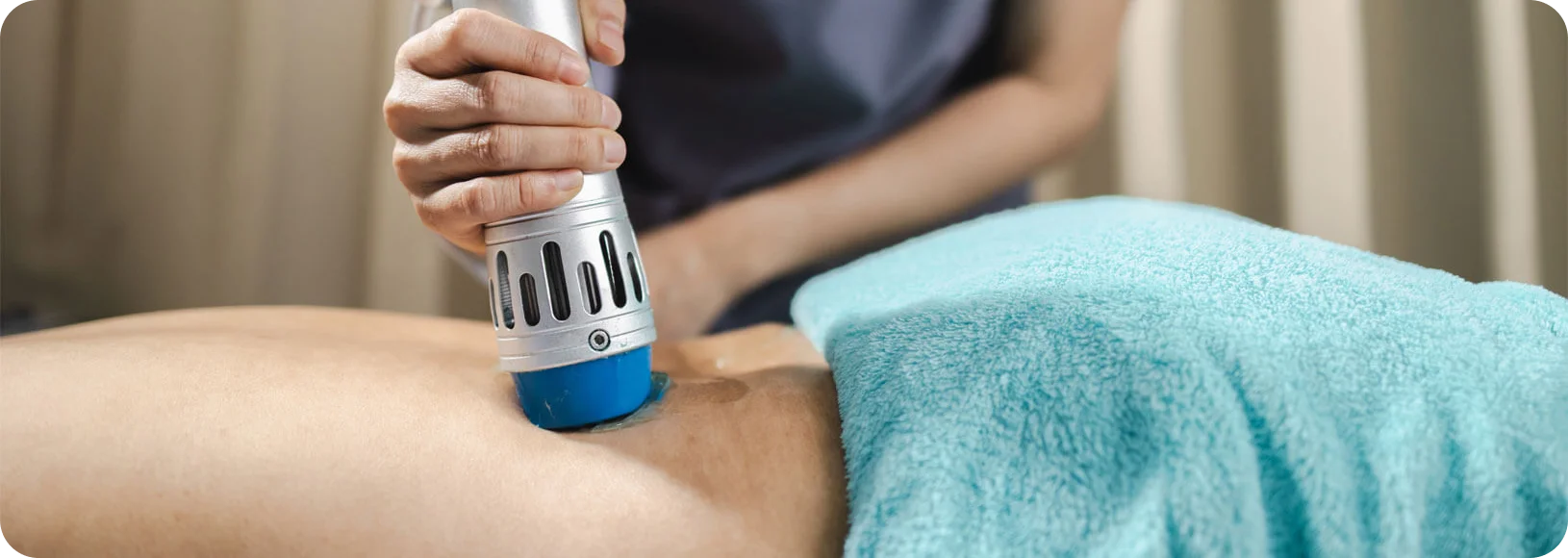
Deep pain relief and muscle relaxation for chronic or acute pain.
Gentle technique to reduce headaches, neck stiffness, and neural tension.
Effective for tendon injuries, chronic muscle tightness, and scar tissue breakdown.
Manual technique to improve joint movement, reduce muscle tightness, and restore normal biomechanics.